
Where Does Sustainability Actually Begin?
When Söğütözü Finance Tower earned its BREEAM Excellent rating, that outcome wasn't the result of one material decision — it was dozens of smaller decisions made from the feasibility stage onward. Sustainability isn't a certificate bolted on at the end of construction; it's a design discipline that shapes site selection, façade orientation, systems selection, and material sourcing alike.
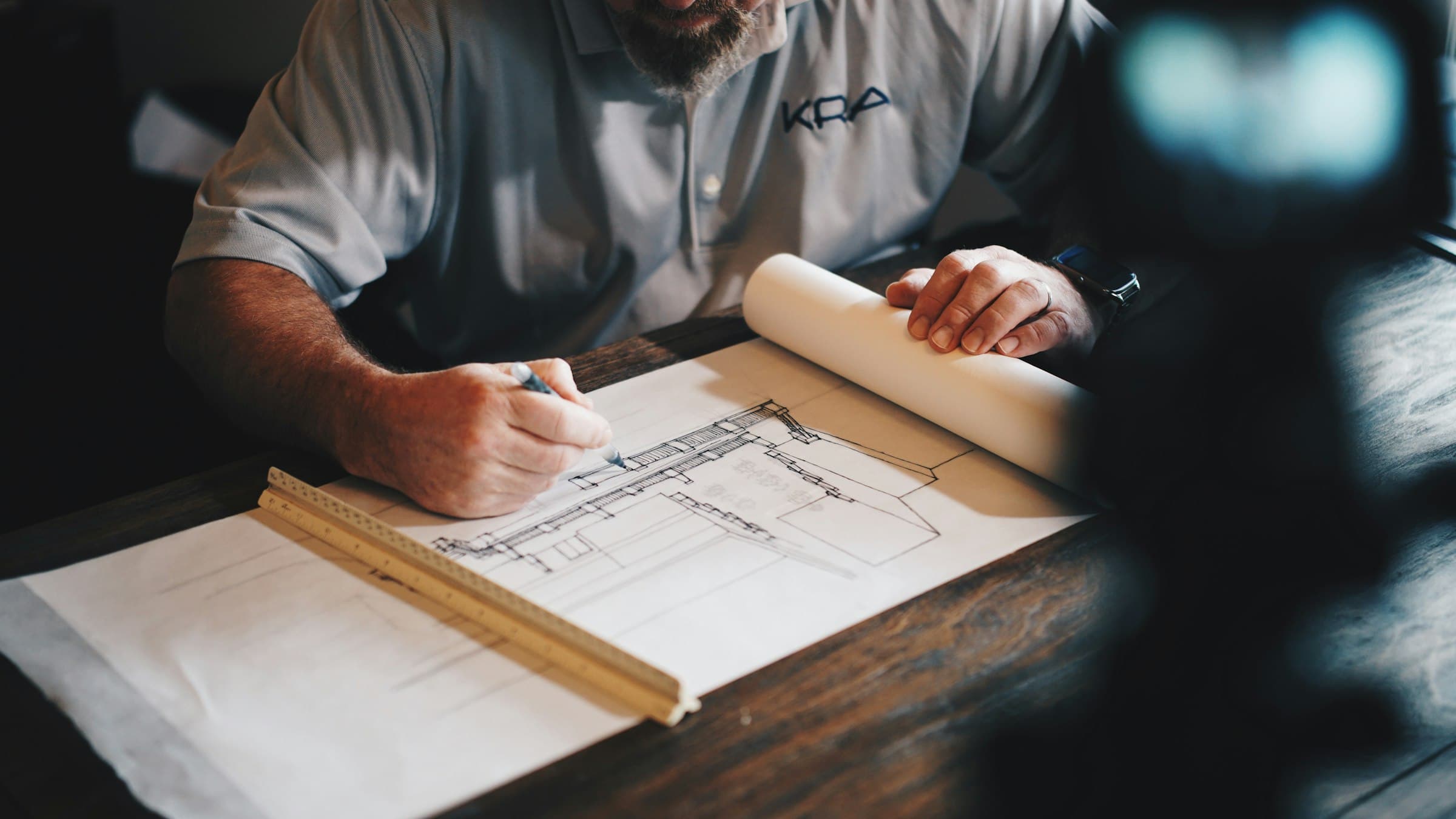
The payoff for adopting this approach early is well established: decisions made in the first 20% of a project's design phase determine the majority of its lifecycle cost and carbon footprint. That's why sustainability targets sit on the agenda of our earliest design meetings, not in an appendix to the specification.
Carbon and Life-Cycle Thinking in Material Selection
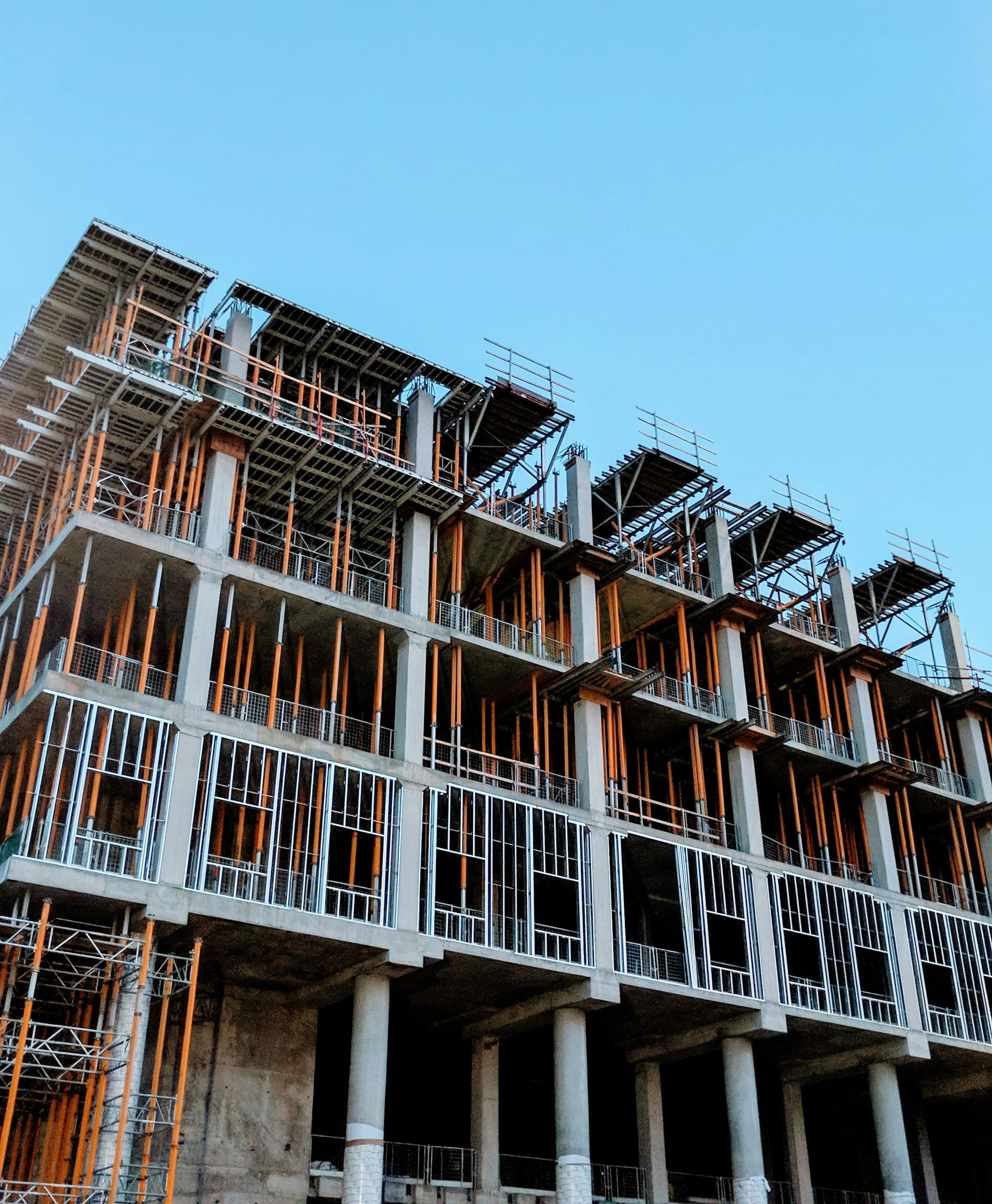
Concrete accounts for one of the largest shares of a building's embodied carbon. Low-carbon mixes that substitute fly ash and ground granulated blast-furnace slag for a portion of clinker content reduce embodied carbon measurably without sacrificing strength. Sourcing stone and ready-mix concrete regionally also trims transport-related emissions — a modest saving on any single load, but a meaningful one cumulatively.
For steel, we favour sections with a high recycled scrap content; for timber, certified suppliers with responsibly managed sourcing chains. We evaluate material choices not just on unit cost, but on lifetime maintenance load and end-of-life recyclability.
Energy Performance in Envelope and Systems
The double-skin curtain wall at Söğütözü provides passive solar control, cutting mechanical cooling load, while a building automation system optimises lighting, climate, and energy consumption in real time. Systems like these add modestly to upfront cost but repay that investment many times over across years of operating expense.
The Economics of Sustainability
We give clients the same framework every time: most sustainable choices raise upfront cost by a few percentage points while lowering operating cost for decades afterward. Our job as engineers is to turn that trade-off into a plan that's measurable, verifiable, and compatible with the client's budget.